
Real estate continues to be one of the most reliable wealth-building tools globally. Unlike volatile financial assets, property offers stability, appreciation, and long-term financial security. Whether someone is planning to buy their first home or build an investment portfolio, understanding the real estate market is essential to making smart and profitable decisions.
Why Real Estate Is a Strong Investment
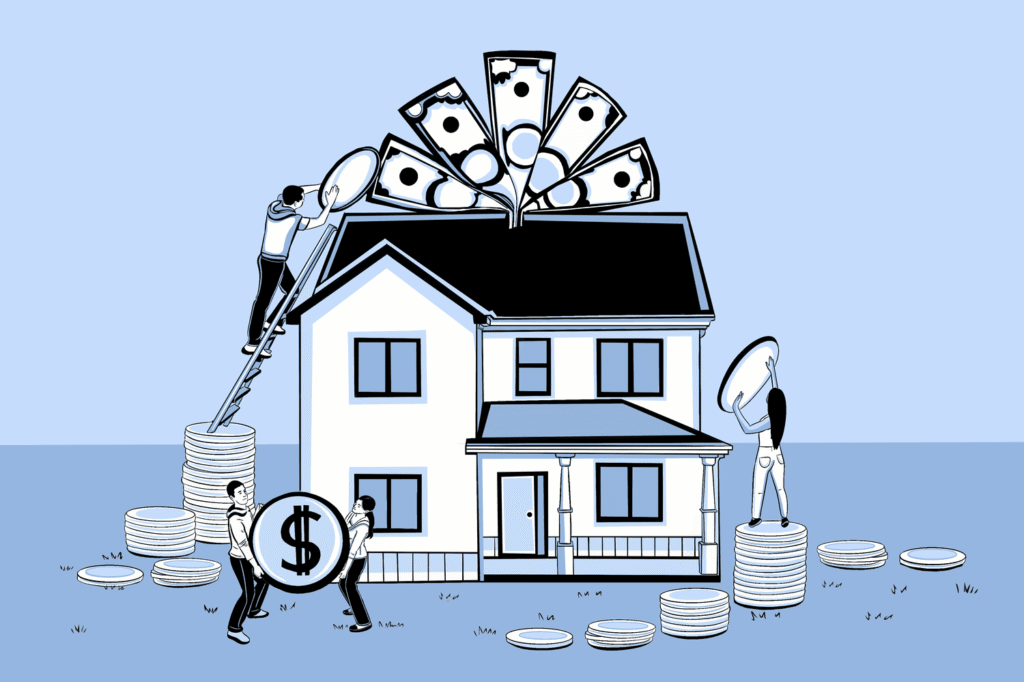
Real estate offers both value growth and recurring revenue opportunities. A single property can serve multiple purposes — living, renting, leasing, resale, or equity borrowing. This ability to generate income while appreciating in value is what makes real estate a preferred investment.
Key advantages include:
- Steady appreciation over the years
- Passive income through rentals
- Protection against inflation
- High resale potential
- Ownership of a physical asset that retains value
Types of Real Estate
Residential Real Estate
Homes, apartments, villas, and townhouses meant for living. Suitable for families, first-time buyers, and investors seeking rental income.
Commercial Real Estate
Office buildings, retail shops, malls, business parks, and restaurants. Popular among investors who want high and stable returns through corporate leasing.
Industrial Real Estate
Warehouses, factories, manufacturing plants, and logistics facilities. Demand has increased significantly due to e-commerce and global supply chains.
Land and Plots
Undeveloped land for future construction or resale. Known for strong long-term appreciation.
REITs (Real Estate Investment Trusts)
A non-physical property investment option for beginners or low-risk investors who want exposure to real estate without buying land or buildings.
Current Trends Shaping the Market
The real estate industry is evolving to match modern lifestyle expectations. Buyers today are prioritizing environmentally-friendly construction, smart home features, secure gated communities, and developments with amenities such as gyms, parks, and co-working spaces.
Additional trends include:
- Rising demand for suburban homes due to remote work
- Increased interest from NRIs and foreign investors
- Growth of mixed-use developments combining residential and commercial spaces
- Digital transformation and virtual property tours
- Faster and more transparent documentation using technology
Choosing the Right Property
A property should align with both personal needs and financial goals. Location remains the single most influential factor, determining rental demand, future appreciation, and convenience.
Before finalizing a property, buyers should evaluate:
- Reputation of the developer or builder
- Infrastructure and development in the surrounding area
- Quality of construction and available amenities
- Legal approvals and property documentation
- Resale and rental potential
Investment Strategies That Work
Not every investor follows the same path. The optimal strategy depends on budget, financial goals, and risk appetite.
Common approaches include:
- Buying residential property for long-term appreciation
- Purchasing and leasing commercial units for high rental yields
- Flipping — buying, renovating, and selling to earn profits quickly
- Investing in land for long-term value growth
- Allocating funds to REITs for passive, low-maintenance returns
The Future of Real Estate
The sector is expected to witness strong growth fueled by increasing urbanization, smart city development, affordable housing initiatives, and global investments. Sustainability will be a major focus, with builders adopting green architecture, energy-efficient systems, and eco-friendly materials.