
Investing in land and plots is one of the oldest and most reliable strategies in real estate. Unlike developed properties, land refers to undeveloped parcels that can be used for future construction, agricultural purposes, commercial projects, or resale. Its value is often determined by location, development potential, and market demand, making it a strategic choice for investors seeking long-term appreciation.
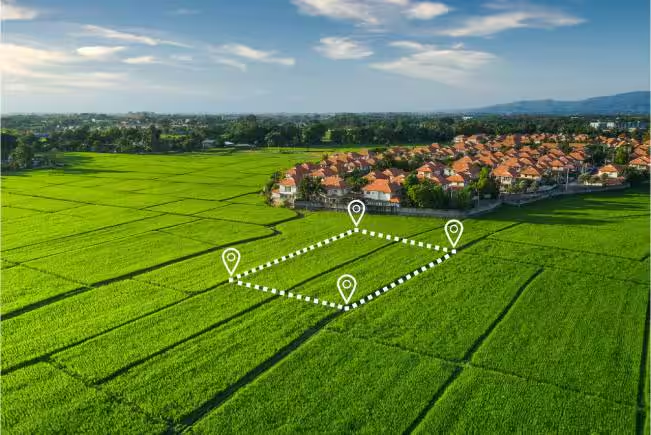
Why Invest in Land and Plots
Land offers unique advantages compared to residential or commercial properties. It is a tangible asset with intrinsic value, free from the maintenance and operational costs associated with constructed properties. Investors often prefer land for its high growth potential, flexibility, and long-term stability.
Key benefits include:
- Strong potential for long-term appreciation
- Flexibility to develop or hold for future use
- Lower maintenance costs compared to developed properties
- Opportunities for agriculture, residential, commercial, or mixed-use projects
- Security against inflation and currency fluctuations
Types of Land and Plots
Land can serve multiple purposes, each catering to specific investment goals:
Residential Plots
Parcels designated for housing or residential development. Ideal for individuals planning to build their own homes or investors seeking resale profits.
Commercial Plots
Land meant for office buildings, retail complexes, or hospitality projects. High-potential investment for future development in business districts.
Industrial Land
Parcels suitable for factories, warehouses, or logistics hubs. Increasingly in demand due to growth in manufacturing and e-commerce.
Agricultural Land
Land used for farming, horticulture, or livestock. Offers dual benefits of yield from produce and appreciation over time.
Mixed-Use or Development Land
Strategically located land that can be used for a combination of residential, commercial, and recreational projects.
Key Considerations Before Investing
While land can be a lucrative investment, careful evaluation is essential:
- Verify clear ownership and legal documentation
- Ensure proper zoning and land use approvals
- Analyze market trends and potential future developments
- Assess accessibility, water, electricity, and other utilities
- Consider long-term goals: resale, development, or personal use
Investment Strategies in Land
Investors adopt different approaches depending on risk tolerance and planning horizon:
- Buy-and-Hold: Purchase land in developing areas and wait for appreciation
- Develop-and-Sell: Acquire land, develop basic infrastructure, and sell at a higher price
- Leasing: Lease agricultural or commercial plots to generate short-term income
- Speculative Investment: Identify upcoming infrastructure projects or city expansions for high-return opportunities
Final Insight
Land and plots provide a unique combination of flexibility, security, and long-term financial growth. By choosing the right location, evaluating market conditions, and planning strategically, investors can maximize returns and create a foundation for future development opportunities. Unlike other real estate assets, land remains timeless in value, making it an essential component of any diversified investment portfolio.